My child has never coded before. Is that okay?
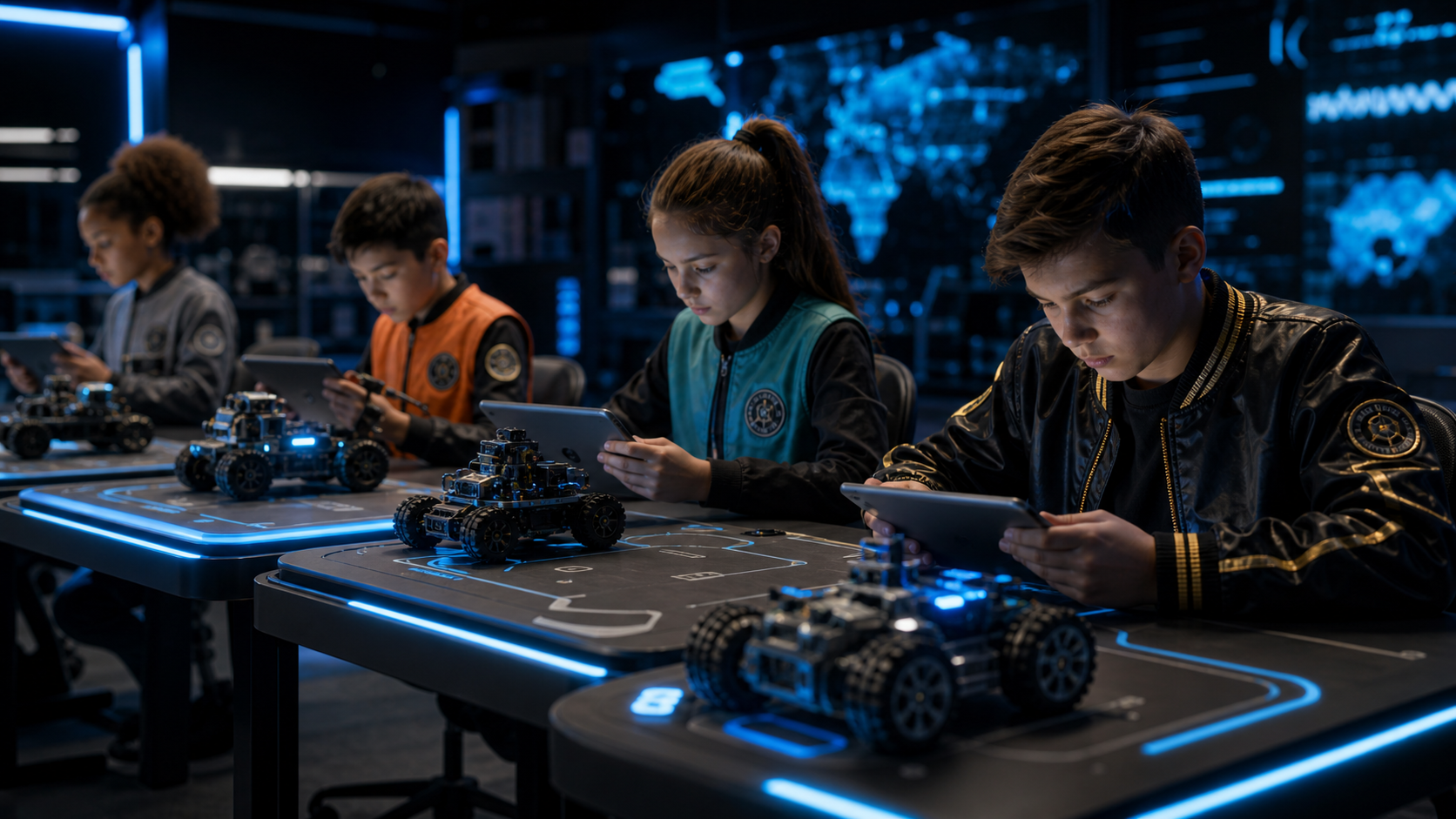
Completely fine — and actually ideal. Tier 1 begins with Draw & Drive, where your child draws a path on screen and the robot follows it. No prior experience required. Coding is introduced gradually as your child is ready for it.
How do you decide which tier my child starts in?
Every student — regardless of age or background — starts with a free 30-minute trial session. Our coach observes how your child thinks, problem-solves, and interacts with the robot across five dimensions. Tier placement is based entirely on that assessment. Starting where success is guaranteed is always better than starting where a child struggles from day one.
How is this different from a school robotics club?
Three key differences. First, this is a structured multi-year program with a clear progression — not a drop-in activity. Second, every session has a specific mission brief with a measurable success condition. Third, your child owns their portfolio and hardware progression — it follows them across years, not just terms.
How do I know my child is actually progressing?
After every single session, you receive a short video of your child explaining what they built and what they learned. Three times a year your family attends a live showcase where your child demonstrates their completed mission. You will never wonder what's happening in the lab.
What if my child wants to stop?
There is no lock-in. Everything your child has built — their portfolio, their video logs, their badge record — is theirs permanently. Most students who take a break return. The story continues where they left off.
Can I watch sessions?
You are welcome to observe, and we actively encourage attendance at all three showcase events per year. For regular sessions, children engage more independently without parents present — which is exactly what builds problem-solving confidence. The video log system means you see your child's work after every session without needing to be in the room.
When does the program open and how do I secure a spot?
Robonautics Academy opens in the Maple Ridge in 2026. Waitlist families receive first access to trial session bookings, placement priority, and the semester calendar before public registration opens. Join the waitlist above to secure your place.
What does the trial session involve?
A free 30-minute session where your child works with the robot independently while our coach invisibly assesses their skill level across five dimensions. At the end, we reveal their tier placement, show you the video log they recorded, and walk you through the program roadmap. No pressure. No obligation.
Will this prepare my child for an AI-driven future?
Yes — though not by teaching AI as a subject. The skills that matter most in an AI economy are the ones AI still can't replicate: the ability to frame a problem correctly, think across a system, recover from failure, and explain your reasoning to someone who wasn't in the room. Every mission at Robonautics builds exactly those skills. At Tier 4, students write Python and build data-logging systems — the same tools used in machine learning pipelines. By the time they leave, they're not just AI-literate. They're the engineers who can direct it.
What are the vacation camps and who are they for?
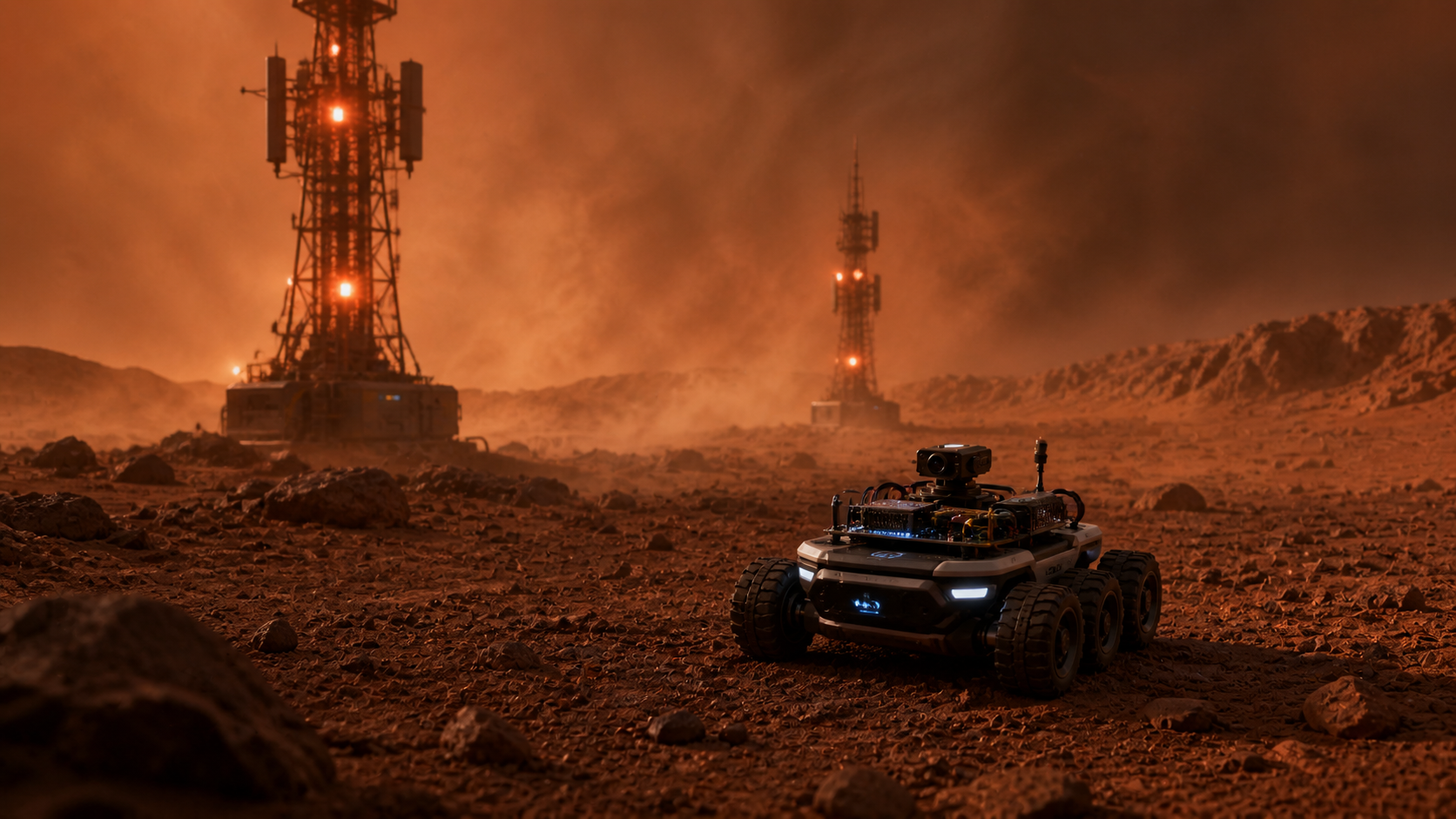
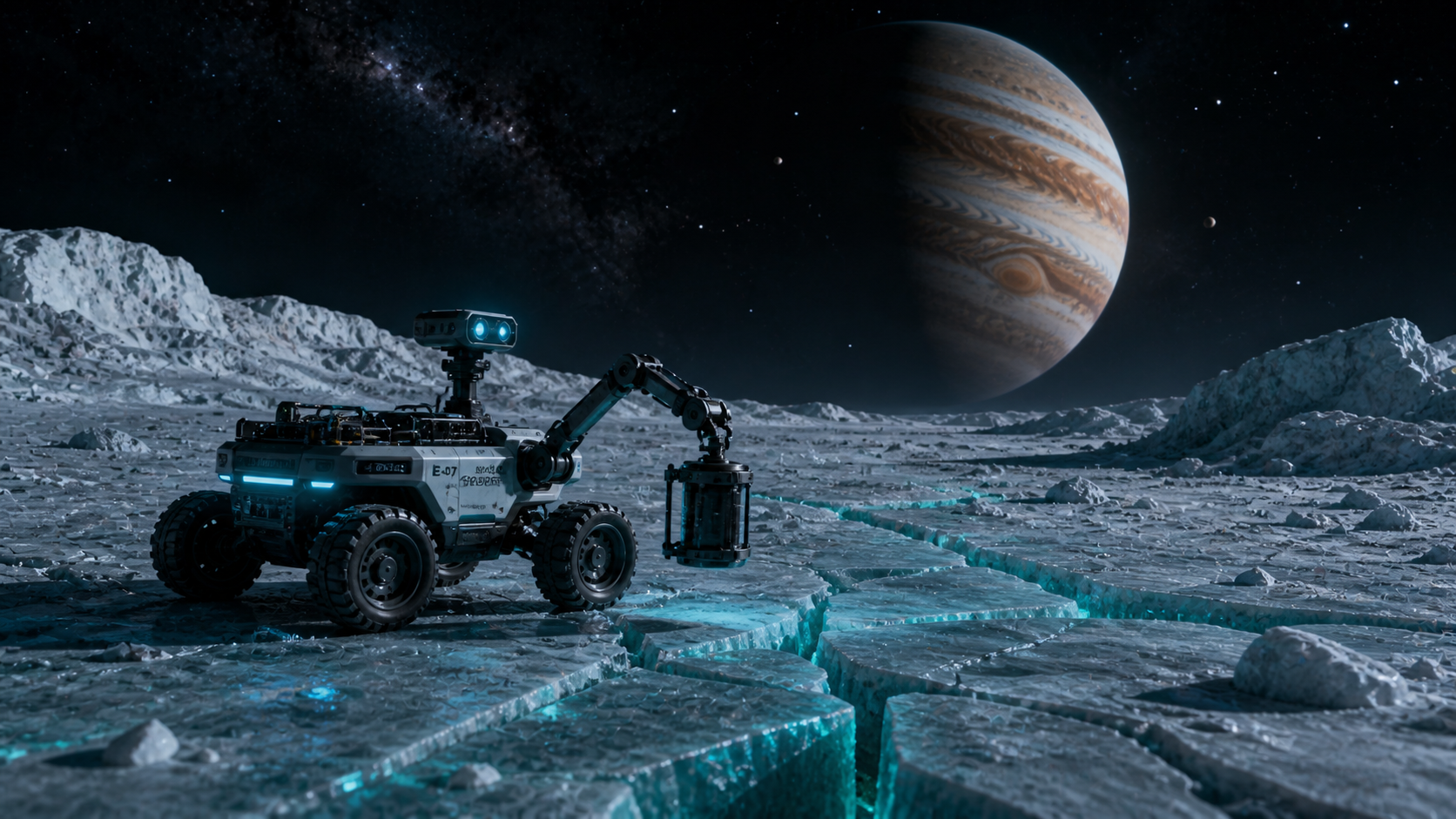
Robonautics Academy runs 5-day intensive camps during Spring Break (March), Summer (July and August), and Winter (December). They are standalone — your child does not need to be enrolled in the semester program to attend. Each camp runs under one of two operations: Frozen Signal (Winter and Spring) or Red Dust (Summer). There are four camp formats — Explorer, Builder, Coder, and Architect — and placement is by assessment, not age.
Does my child need prior experience to attend a camp?
No prior experience is needed. Every camper starts with a short assessment so we place them at the right level from day one. Camps are a great way to try the program before committing to a full semester.
What will my child actually do during a camp week?
Each day builds on the last. Campers work through a structured mission sequence — learning to control real robots, reading sensor data, writing code, and completing a final mission run on the last day. Every camper records a daily debrief video. The week ends with a mission certification and a camp badge.